
Corporate “Sorry” Is the Most Insincere Word in Tech
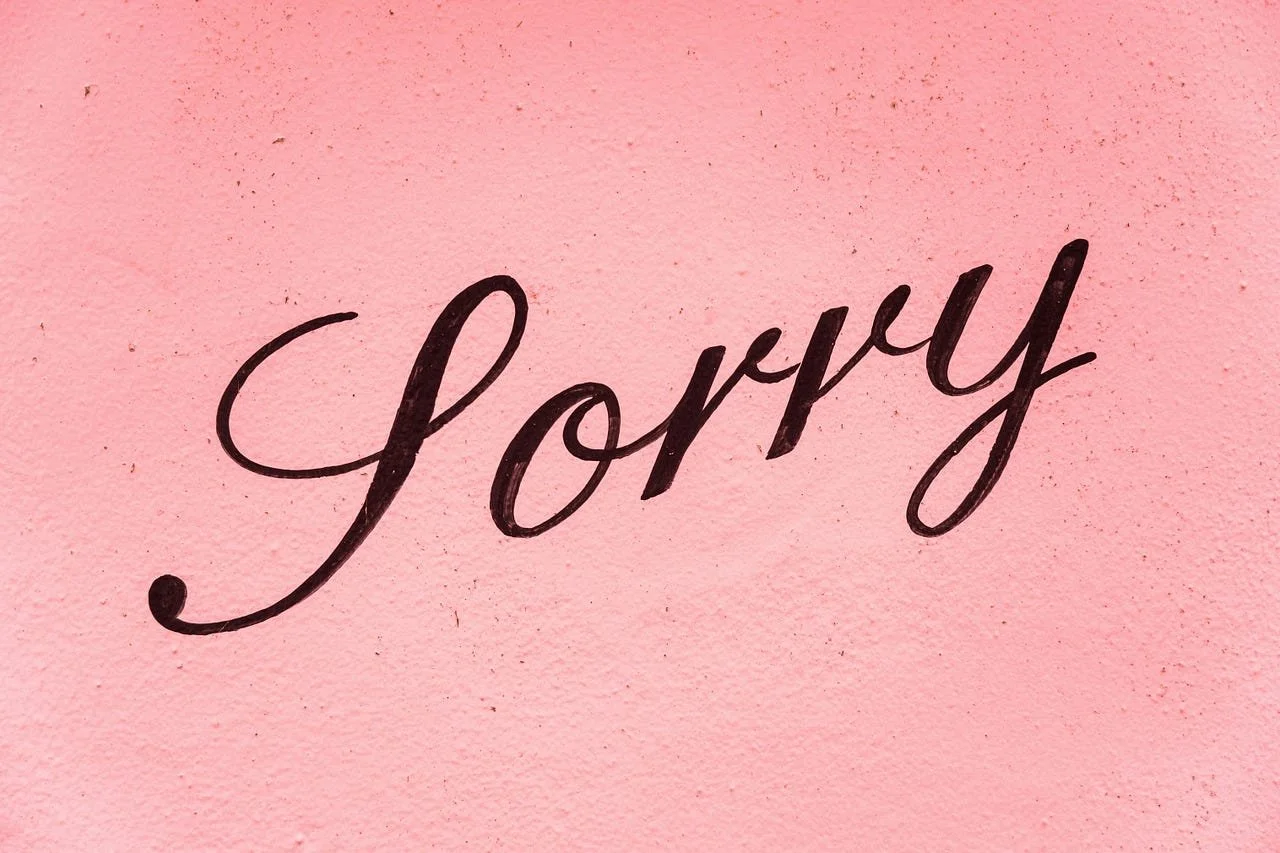
Photo by Nick Fewings on Unsplash
I remember that time I got laid off, but the company sent me the wrong conditions for my termination (a term that reminds me of the T-800, at best).
So one of the most important documents I’ve ever been sent in my working life was the wrong one. But don’t worry, here is the right one (sorry, the correct terms are attached).
I don’t know what I expected. Urgency, explanation, consideration or care? I should know better by now.
Just sorry.
An Apology Is Not an Apology
I’m always surprised at these types of things. I’m the one who was being laid off, I’m being written to by a HR manager who seems to be almost completely disengaged from their own job, or at least incompetent.
Yet they aren’t bothered apart from a written “sorry” before attaching a PDF. Because a simple sorry doesn’t mean they know they messed up, understand the impact or feel bad.
In corporate life, “sorry” is just a separator between two PDFs, because they needed to keep me moving through the process. Sorry is actually the workflow, and doesn’t mean that they are thinking of you or appreciate what you might be going through. I should know this, as after all they were getting rid of me in any case.
Language Designed to Mean Nothing
Corporate apologies are engineered to be weightless.
In my case I can see that a person made the error, but the sorry was from the corporation. You always know because you never know who made the mistake, why it happened, what was done to prevent it happening again or any further information about this.
You’re covered in a passive fog that stops any further information or answers to queries you might have. It’s like an outage at work where “An error was identified”.
Inconvenience
An inconvenience is when your train has been delayed, or you’re late to a party in a traffic jam. It’s a different case when your income and your life is at stake.
Yet language like inconvenience exists to remove responsibility while maintaining politeness. It’s an impressive trick. Linguistically elegant. Morally empty.
During something like a layoff you really get to know your employer. You get to know who you are in fighting in the trenches with.
During good times the values are laminated and stuck on the wall. During layoffs, you’ll find out which of these values are actually genuine. You won’t be surprised to know that most of those values are simply decorative.
The truth is messing up severance terms isn’t a small mistake. It’s not cosmetic. It directly affects someone’s ability to plan rent, childcare, visas, healthcare, or just… sleep.
And yet it was treated like a typo.It’s not malicious, it’s just indifferent.
A Real Apology?
Wouldn’t a real apology be nice? What would that possibly cost?
The answer is that it would require ownership, accountability and the acknowledgment of harm. Companies don’t want those doors opened, because they lead to legal, financial and emotional places that a company just won’t want to engage in.
So sorry is sometimes the hardest word to say, but in this case it’s the easiest way for a company to get out of a hole.
Sorry sounds human but commits to nothing.
When a company can’t even get the paperwork right it tells you something important. In my case I wasn’t laid off my people, I was processed by a system. That system has learned how to apologize without ever caring.
Conclusion
When a company says “sorry”, that really means “next”. They’re invariably getting rid of you if you’re a customer, and if you’re an employee the same applies. Next email, next employee, next metric. Corporate apologies are like screenshots of empathy. When your severance terms get botched, it’s not a glitch in the system. It is the system and you’ll never escape (until you’re Terminated, Sarah).
It’s not a bug. It’s a feature.
So yes, I got a “sorry.” Just not the kind that means anything.
About The Author
Professional Software Developer “The Secret Developer” can be found on Twitter @TheSDeveloper.
The Secret Developer is sorry.